The Labasa Handicraft Market, Savusavu Market and Savusavu Hospital are expected to save close to $50,000 in combined electricity costs in their first year through planned rooftop solar installations under the World Bank-financed Fiji Tourism Development Program in Vanua Levu, also known as the Na Vualiku Project.
This follows the completion of a feasibility study which identified the three facilities as suitable locations for the first phase of solar installations.
The study assessed 25 potential rooftop and ground-based locations across nine public precincts before selecting the three facilities.
According to the report, the proposed solar systems are expected to save approximately $50,000 in electricity costs after operating expenses in their first year, while reducing greenhouse gas emissions and supporting Fiji's transition to renewable energy.
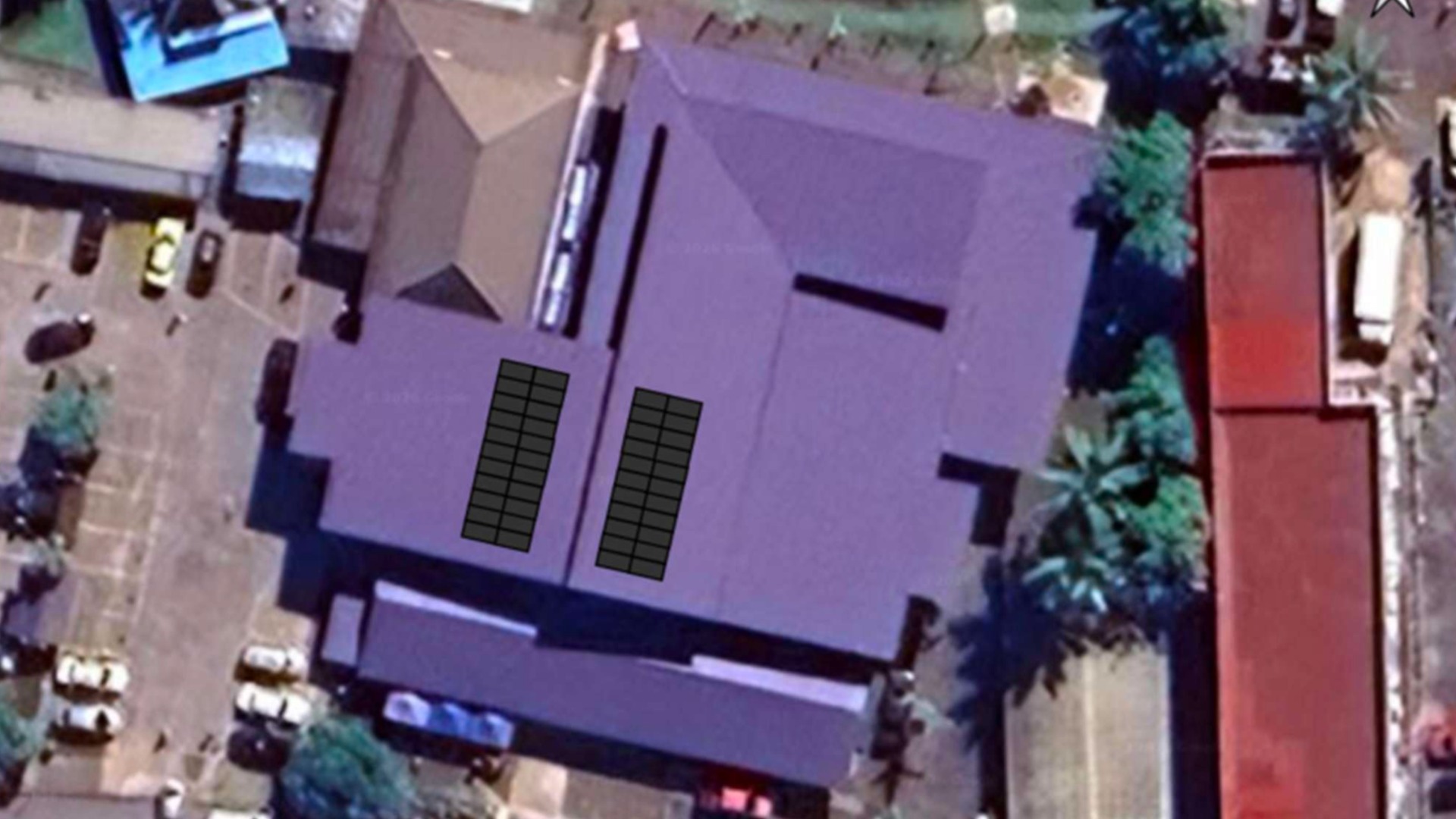
At the Labasa Handicraft Market, the rooftop solar system is expected to reduce electricity costs for the wider market.
Parts of the existing market building will also be strengthened to ensure the roof can safely support the solar panels.
For the Savusavu Market, the study recommends installing rooftop solar panels together with battery storage to reduce electricity costs and provide backup power for selected Town Council services during outages.
This is also expected to strengthen the Council's ability to operate as a command centre during disaster response efforts.
The largest solar system is planned for Savusavu Hospital, where solar panels and battery storage are expected to reduce electricity costs and provide additional energy resilience for essential health services.
The report highlights that reliable electricity is critical for medical equipment, refrigeration, communications, patient care and emergency services, particularly during power outages and severe weather.
Parts of the hospital roof will also need strengthening before the solar panels are installed.
The feasibility study considered several factors, including the structural strength of existing roofs, their ability to withstand cyclonic conditions, electricity consumption, sunlight availability and the potential impact of installation work on vendors, patients and other facility users.
Several locations were ruled out because of extensive structural requirements, low electricity consumption, shading or planned redevelopment.
With the feasibility study completed, the next step will be to engage a qualified contractor to finalise the designs, supply and install the solar equipment, and test the systems before they become operational.
The solar systems will operate alongside the existing electricity network, with connection requirements coordinated with Energy Fiji Limited.
The facilities will eventually be owned and managed by the relevant public bodies, including the Labasa and Savusavu Town Councils and the Ministry of Health.
The Na Vualiku Project aims to support sustainable tourism growth in Vanua Levu and Taveuni by strengthening critical infrastructure, improving essential services and promoting environmental sustainability.
The rooftop solar initiative is also expected to contribute towards Fiji's goal of a cleaner energy future by 2030.