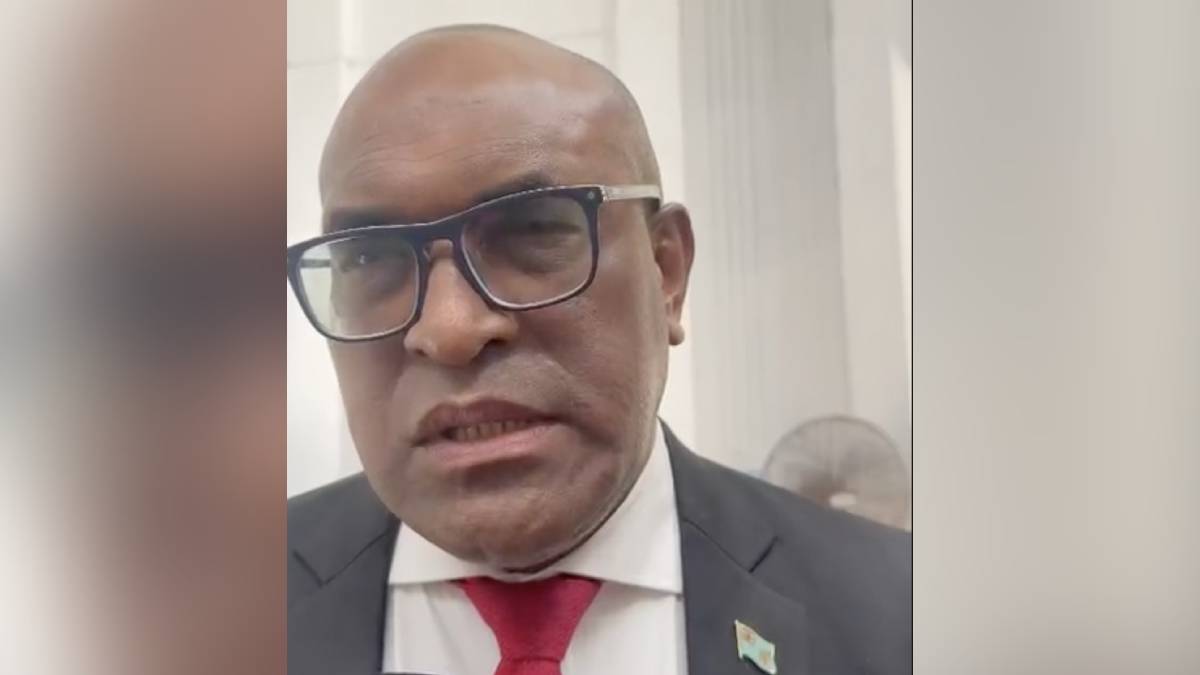
The $647 million allocation for the health sector in the 2026/2027 National Budget has been welcomed as a significant boost to addressing Fiji's healthcare priorities, with the Minister for Health saying key funding requests have been recognised.
This allocation is a $181 million increase from the last financial budget.
Reacting to the National Budget announcement, Health Minister Dr Ratu Atonio Lalabalavu says he is pleased that most of the Ministry's priority areas have been addressed, including funding for the National HIV/AIDS Taskforce and the Needle and Syringe Programme.
Dr Lalabalavu says the $12 million that has been allocated towards the national response to HIV will also include efforts to combat drug use, expand awareness campaigns, procure HIV medication, strengthen testing and treatment, and invest in healthcare workforce capacity and preventative measures.
He says this will assist them in carrying out its work, while funding for the Needle and Syringe Programme will help with its implementation as preparations are nearing completion.
Meanwhile, $477 million has been provided to fund the salaries of doctors, nurses and allied health professionals, procure medicines and medical supplies, and purchase biomedical equipment.
Dr Lalabalavu says the Ministry had faced challenges in the previous financial year, particularly in meeting overtime payments, but the new allocation for salaries and wages should ease those pressures and ensure staff are remunerated on time.
When asked what the strategies are for health worker retention, the Minister says creating a conducive working environment remains a priority, including improving staff accommodation, ensuring reliable electricity and water supplies, strengthening internet connectivity, and upgrading facilities in maritime and rural areas to encourage health workers to remain in those communities.
On concerns about medicine shortages, Dr Lalabalavu says Fiji imports all of its medicines, medical equipment and consumables, making the country vulnerable to overseas supply chain delays despite having funding available.
He says while procurement follows established tender and purchasing processes, external factors can delay deliveries, and the Ministry uses short-term procurement measures through requests for quotations from local suppliers when necessary to minimise shortages.
Dr Lalabalavu acknowledges that medicine shortages do occur from time to time but says the Ministry continues to strengthen its internal processes to reduce disruptions as much as possible.
The Minister also confirms that work on the four operating theatres at the Colonial War Memorial Hospital is largely complete but structural issues must first be resolved before engineers can approve the facilities for use.
Meanwhile, Finance Minister, Esrom Immanuel says investment in the health sector has lagged behind due to years of neglect and underinvestment.