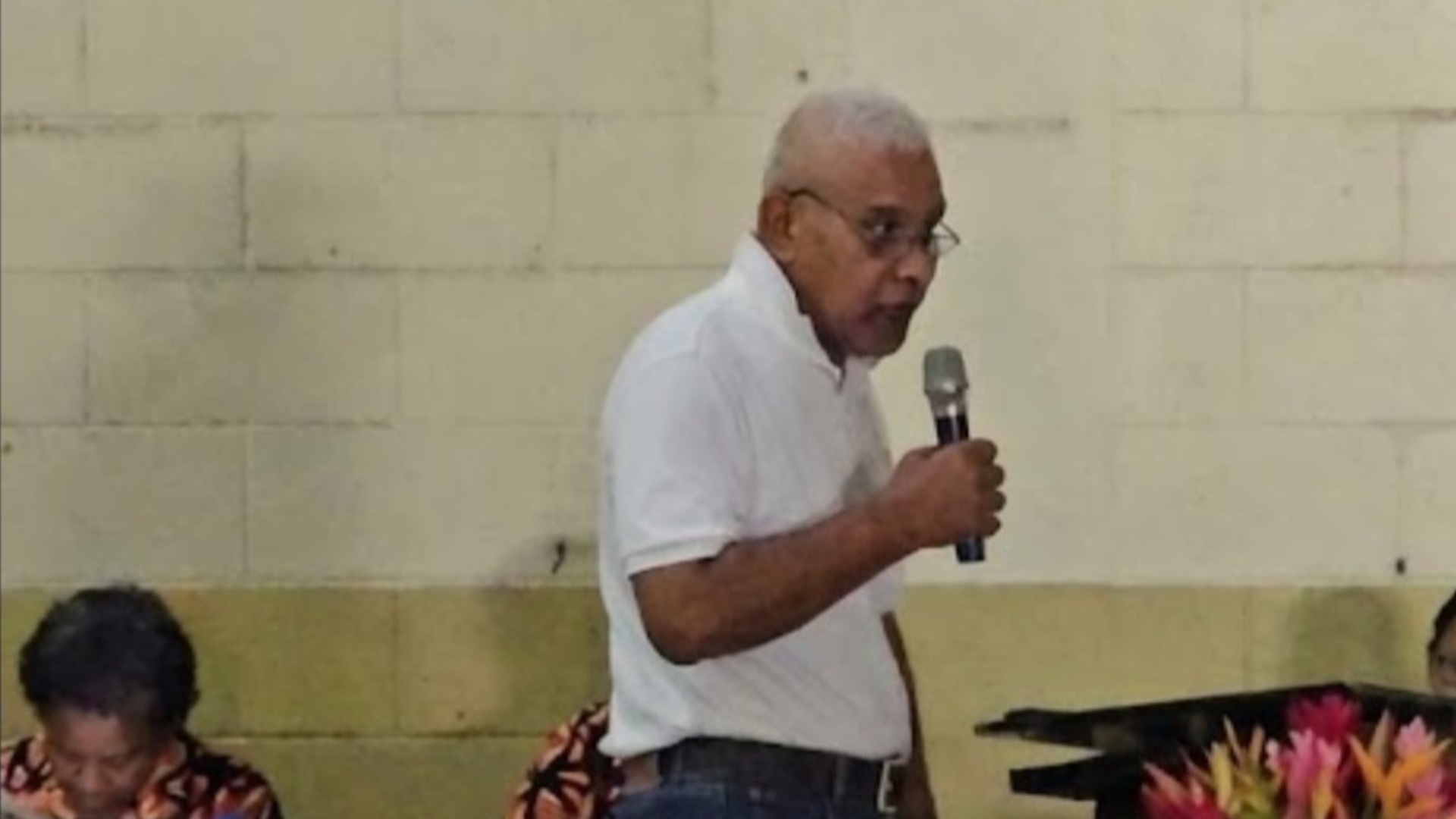
Josefa Nata who was sentenced to life in prison for treason after the 2000 coup led by George Speight and later pardoned after 23 years, is calling on the Parliamentary Special Committee reviewing Fiji's Constitution Amendment Bill to remove the immunity provisions, warning that retaining them could encourage future coups and undermine national unity.
While making his submission before Prime Minister Sitiveni Rabuka and members of the Committee, Nata says the proposed Constitution is a significant improvement on the 2013 Constitution however, further changes are needed.
He says his call to remove immunity is not driven by revenge against those involved in past coups, but by the need to prevent similar events in the future.
Nata says he does not want people prosecuted for their involvement in past political upheavals and believes Fiji must find a way to forgive and heal.
However, he says future coup makers must never be granted immunity, regardless of how long it takes to bring them before the courts.
He proposes including a commitment in the Constitution's preamble that those responsible for illegally removing elected governments will not be granted immunity and will face trial.
Nata also raises concerns that retaining constitutional immunity could send a message to Indo-Fijians, particularly descendants of the Girmitiyas, that Fiji is not a safe place for them.
He says refusing to remove immunity fails to acknowledge the fear, anxiety and insecurity experienced by communities affected by previous coups.
He further argues that the economic and social costs of coups extend beyond damage to property, businesses and livelihoods, contributing to distrust, racial divisions and insecurity.
Nata also questions the proposed expansion of immunity to cover a wider range of public officials, saying this could encourage future attempts to seize power illegally.
He urges the Committee to take seriously the position of Republic of Fiji Military Forces Commander Major General Ro Jone Kalouniwai, who he says has opposed retaining the immunity provisions.
Nata also expresses support for considering disclosure-based immunity through an expanded Truth and Reconciliation Commission.
He says removing immunity alone will not end Fiji's coup culture, and that historical grievances, economic inequality and divisions between communities must also be addressed.
Nata calls for stronger partnerships between iTaukei landowners and Indo-Fijian businesses to help reduce economic disparities and promote national unity.
He also proposes that the iTaukei language be taught as a compulsory second language in schools, describing it as a potential unifying force for the country.
He also suggests replacing the reference to a secular state with wording recognising Fiji as a nation under God.
Nata further proposes an elected Senate, an elected President and Vice-President, and consideration of a presidential system that would separate executive and legislative powers.
On the tenure of the Prime Minister, he says there should be a limit on the number of terms a person can serve.
While acknowledging the Constitution Review Commission's recommendation of two terms, Nata suggests that three terms could be reasonable to allow capable younger leaders to continue serving.
He stresses that Fiji must learn from its political history and take meaningful steps to prevent future coups while strengthening reconciliation, fairness and national unity.