Fiji can stop and curb the spread of HIV through stronger prevention, early testing, accessible treatment, effective rehabilitation, public awareness, and community support.
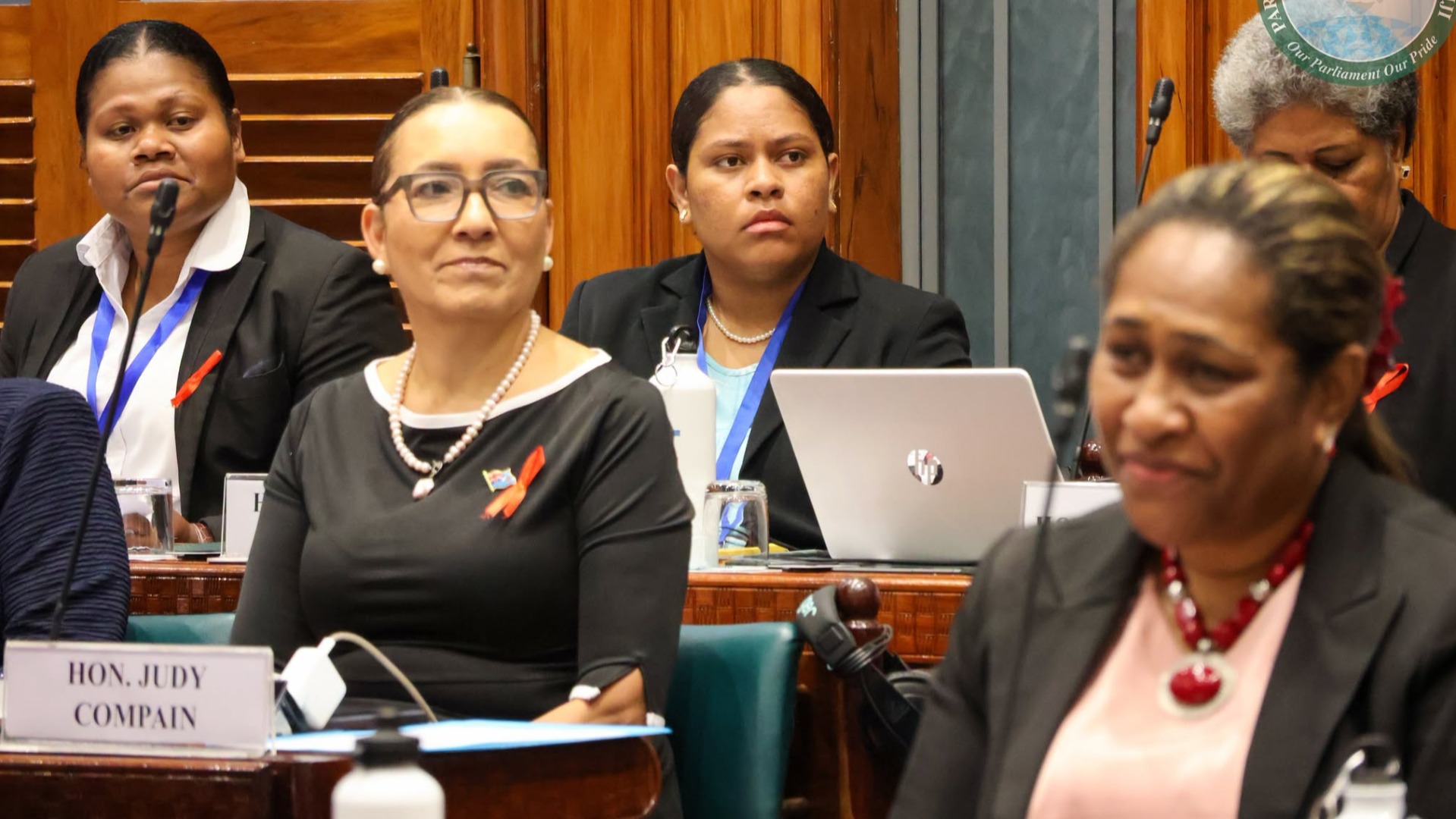
Minister for Health Judy Compain shared this during the Women's Practice Parliament session this afternoon.
Compain says to reduce new infections, the government must address the main factors contributing to the spread of HIV, including unsafe sexual practices, injecting drug use, stigma, discrimination, and limited access to healthcare.
She says this requires urgent action, sustained investment, and cooperation between the Government, health services, communities, families, and the private sector.
Compain stressed that Fiji's HIV situation is a national emergency that requires a whole-of-government and whole-of-society response, and the Ministry of Health and Medical Services cannot overcome this crisis alone.
She says every ministry, organisation, community leader, and individual has a role to play in protecting our people and preventing further infections.
Compain says condoms must be affordable and accessible, and pre-exposure prophylaxis (PrEP) should be available to people at substantial risk of HIV infection and young people must receive accurate, age-appropriate education about relationships, consent, sexual health, and HIV prevention.
Compain says they must expand access to HIV testing and treatment and people should be encouraged to test early, know their HIV status, and begin treatment promptly if diagnosed.
She says confidential testing and treatment services must reach rural villages, urban settlements, and vulnerable communities.
Compain says with effective treatment and consistent care, people living with HIV can live healthy lives, and those who achieve and maintain an undetectable viral load do not transmit HIV sexually.
Insert Compain on mitigating HIV Spread 22nd Oct
Compain says the Government must establish and support a comprehensive national HIV response with clear responsibilities, adequate funding, and measurable results, and the Ministry of Health and Medical Services, non-governmental organisations, community groups, faith organisations, and private providers must work together to ensure that prevention, testing, treatment, and rehabilitation services reach those who need them most.