Cannabis remains the most commonly used illicit drug in Fiji, while methamphetamine has been detected at all four wastewater monitoring sites, highlighting the need for continued monitoring and targeted efforts to tackle drug use.
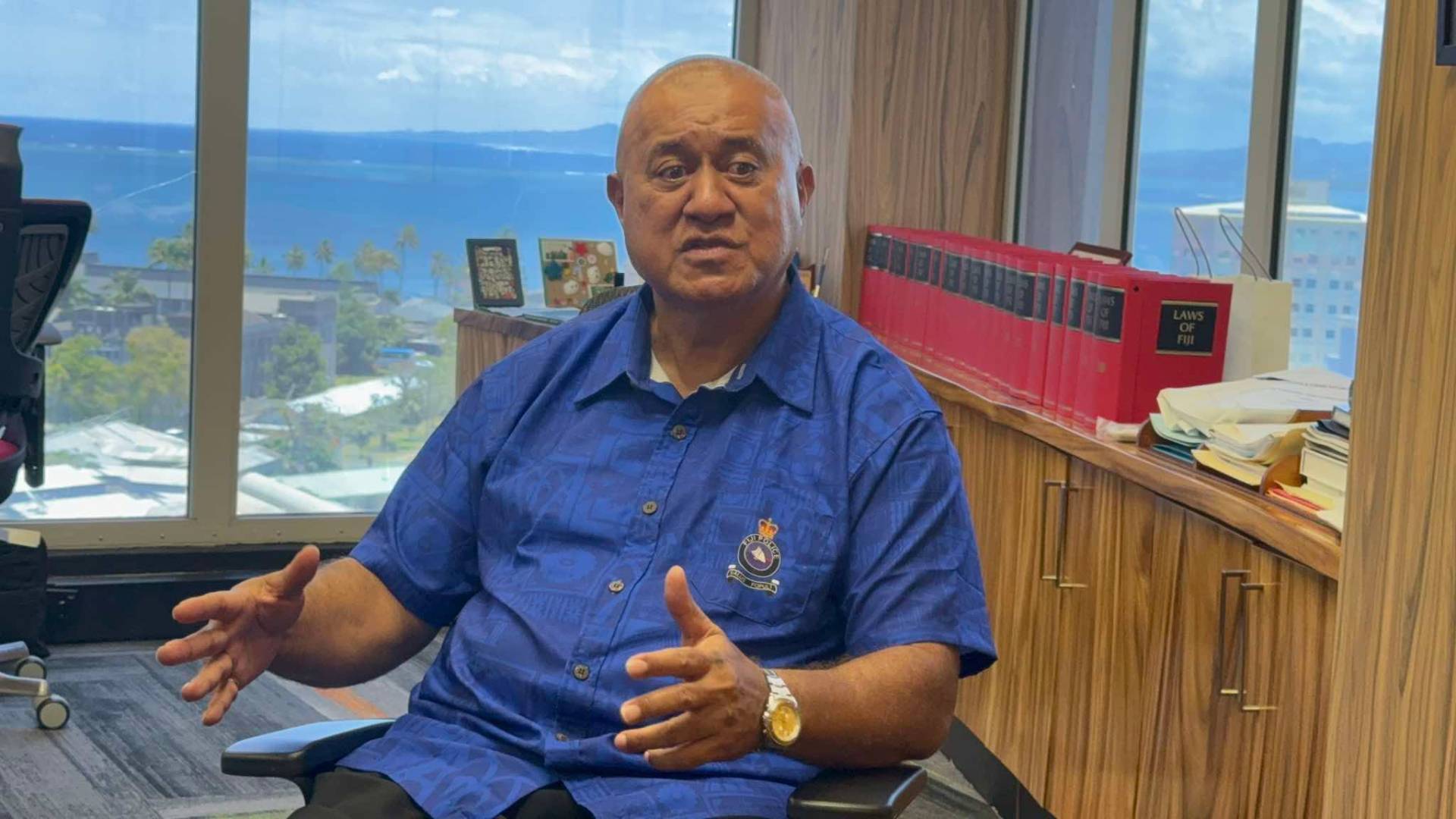
Minister for Policing Ioane Naivalurua says findings from Fiji’s first Wastewater Drug Monitoring Report provide clear and reliable data on drug consumption patterns, allowing authorities to better understand the extent of illicit drug use in the country.
The report found that cannabis consumption was highest in Lautoka, at approximately ten times the level of methamphetamine detected at the same site.
Methamphetamine was detected at all four monitoring sites, with Suva recording the highest level at almost five doses per day per 1,000 people, more than double the level recorded in Nadi.
Cocaine was detected only in Nadi, where its level was higher than methamphetamine, while MDMA was also found at the site but at low levels.
Heroin, fentanyl and ketamine were not detected during the first round of sampling.
Naivalurua says the findings provide authorities with reliable evidence instead of relying solely on police seizures or information reported by individuals.
He says overall illicit drug use in Fiji is lower than in Australia, however, the detection of methamphetamine across all four sites and cocaine at one site shows Fiji is not free from the regional drug trade.
Australian Ambassador to Fiji Peter Roberts says drug-related harm is a shared challenge that requires cooperation across policing, health, military and social services.
Roberts says wastewater testing, which has been used in Australia, is an important tool in identifying the scale and nature of drug consumption and helping authorities determine where resources are needed.
He says Australia remains committed to supporting Fiji through the Vuvale partnership, including cooperation with the Fiji Police Force and the Republic of Fiji Military Forces on maritime security and drug trafficking.
Meanwhile, Acting Executive Director of Mission Coordination and Analysis at the Australian Criminal Intelligence Commission, Wendy Darling, says Australia recorded the consumption of 15.8 tonnes of methamphetamine and almost eight tonnes of cocaine in the year ending August 2025.
Darling says the consumption of those two drugs alone is estimated to have generated 13.8 billion Australian dollars in criminal proceeds.
She says 68 percent of illicit drug presentations to emergency departments across Australia between 2020 and December 2024 involved methylamphetamine.
Darling says Fiji's wastewater monitoring programme, strengthened legislation and regional cooperation will help the country better understand and respond to the drug threat.
The Ministry of Policing and Communications is also working with academic institutions, UNICEF and other relevant agencies to produce Fiji's first National Drug Report, drawing on wastewater monitoring, law enforcement statistics, health data and community insights.