Government expenditure is projected to increase by about $500 million during the current financial year while revenue is expected to decline, raising concerns about fiscal sustainability and whether increased spending is delivering better outcomes for taxpayers.
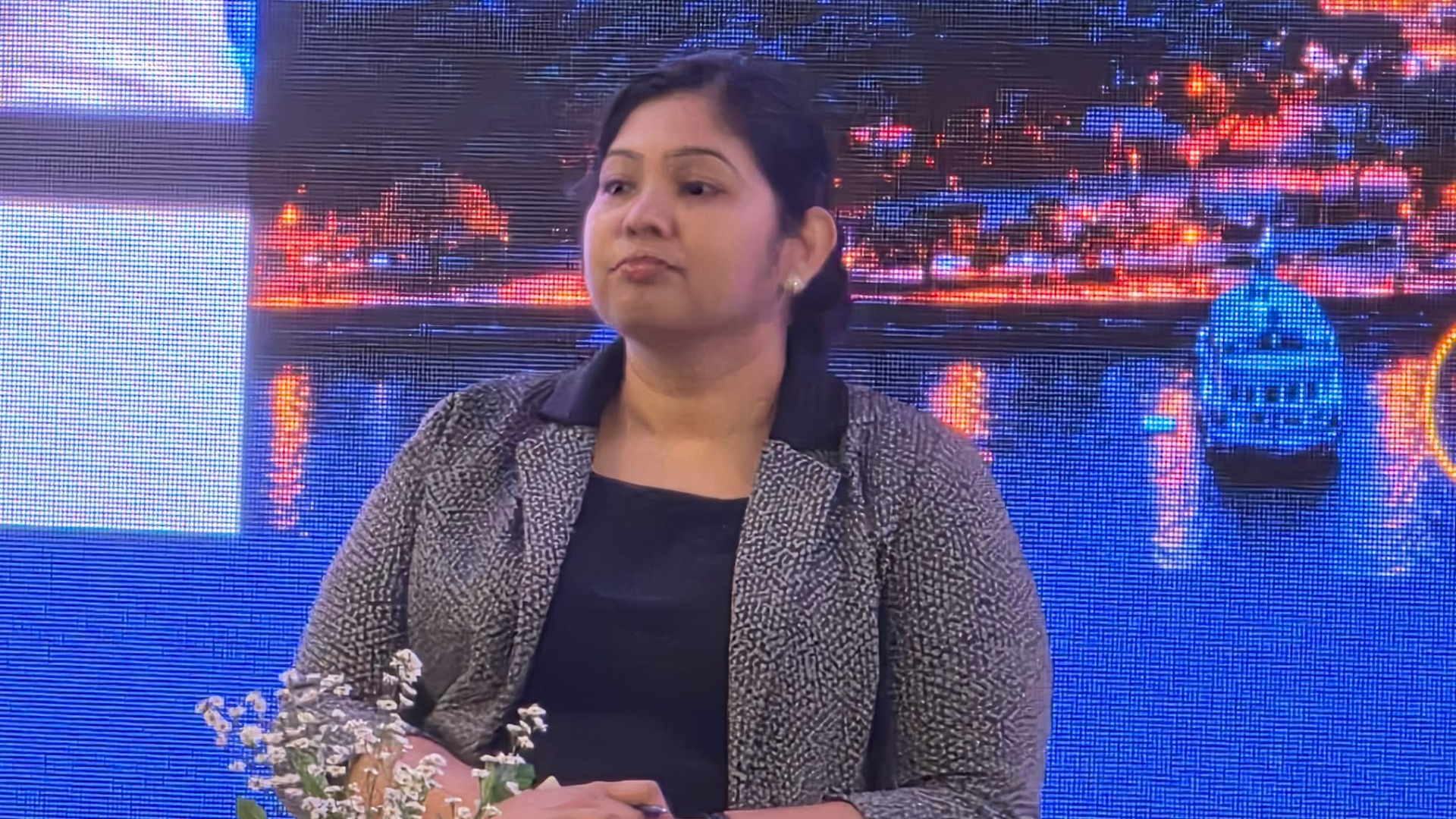
Speaking during a panel discussion at the State of the Fijian Economy Dialogue 2026, Acting Head of Strategic Planning at the Ministry of Strategic Planning, Poonam Singh says revenue projections for 2026 are estimated at around $3.9 billion while expenditure is projected at $4.8 billion.
Singh says while revenue is expected to decline slightly from about $4.05 billion to $3.9 billion, expenditure is anticipated to increase by approximately $500 million.
She says government expenditure has increased significantly over the past three years, rising by about 35 percent, reflecting increased spending on public sector wages, social services, infrastructure, debt servicing costs and other development priorities.
She questioned how the increased expenditure would be funded and stressed that the critical issue is whether higher spending is generating corresponding improvements in productivity, economic growth and resilience.
She adds that high spending in itself is not a measure of success, adding that every additional dollar spent must deliver measurable outcomes for citizens, businesses and the economy.
Singh says the issue is not whether government is spending more because it clearly is, but whether taxpayers are receiving better service delivery and stronger economic growth in return.
While acknowledging that some of the expenditure has been necessary to support recovery and rebuild the public service and address development needs, she says it also raises important questions about fiscal sustainability over the medium term.
She says fiscal sustainability is not simply about reducing deficits and debt but about creating sufficient fiscal space to respond to future shocks while continuing to invest in priority areas.
Singh questioned whether Fiji wants to become a debt-driven economy or ensure that economic growth remains sustainable.
She also highlighted recommendations from the IMF, which include rebuilding fiscal buffers, targeting a budget surplus of 2 percent by the 2029-2030 financial year and directing more public spending towards capital investment to support higher economic growth.
Singh says government is currently focused on improving the quality and efficiency of public spending, creating conditions for stronger private sector-led growth and maintaining a credible path towards debt reduction.
She adds that the challenge for Fiji is not simply how to maintain growth, but how to ensure growth is sustainable while managing debt levels and strengthening economic resilience.