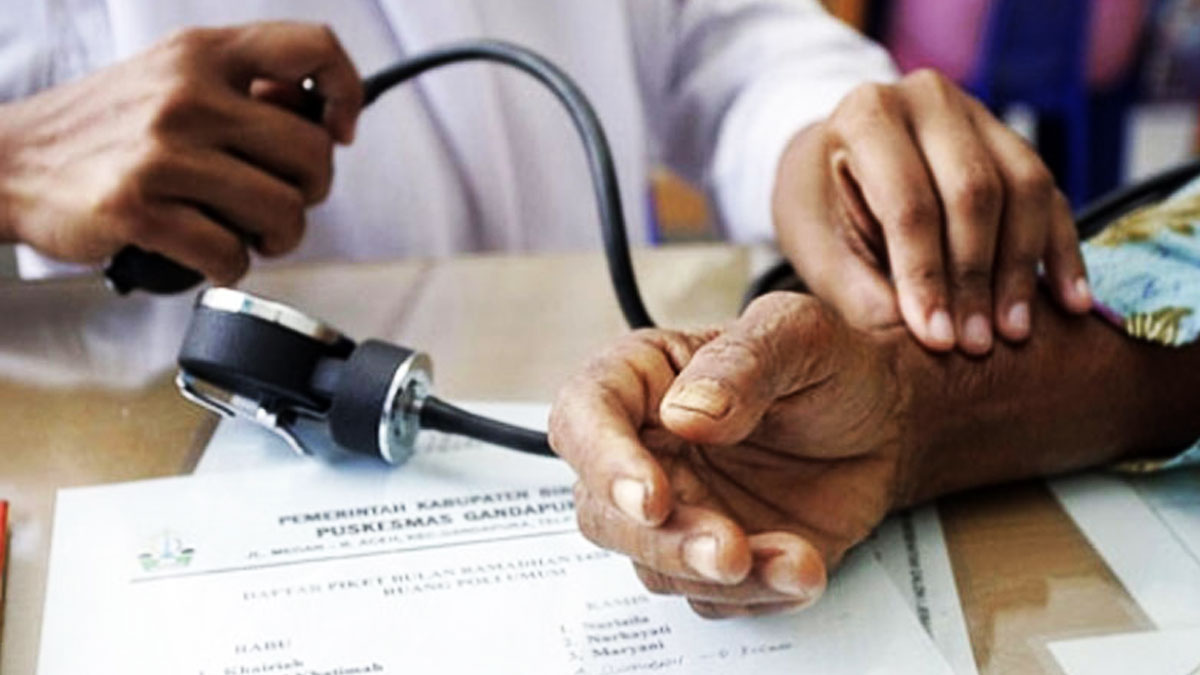
Non-communicable diseases account for more than 75 percent of deaths in the Pacific region.
Assistant Minister for Health, Penioni Ravunawa highlighted this while delivering a statement on Health Inequities in Pacific Island Countries during the 79th Session of the World Health Assembly in Geneva.
Ravunawa says workforce shortages, unequal access to healthcare, climate change and geographic isolation continue to disproportionately affect Pacific people, particularly women, children and remote communities.
He stresses that health is deeply connected to Pacific cultures, languages, spirituality, ancestral lands and oceans, and cannot be separated from the identity and wellbeing of Pacific people.
Ravunawa says indigenous communities continue to face major health inequities despite their resilience and ongoing efforts in prevention, nutrition, mental wellbeing and disaster response.
The Assistant Minister calls for stronger investment in research and documentation of Indigenous Traditional Knowledge and urged the WHO and member states to ensure meaningful participation of Indigenous peoples in global health decision-making.